Clearing Practice
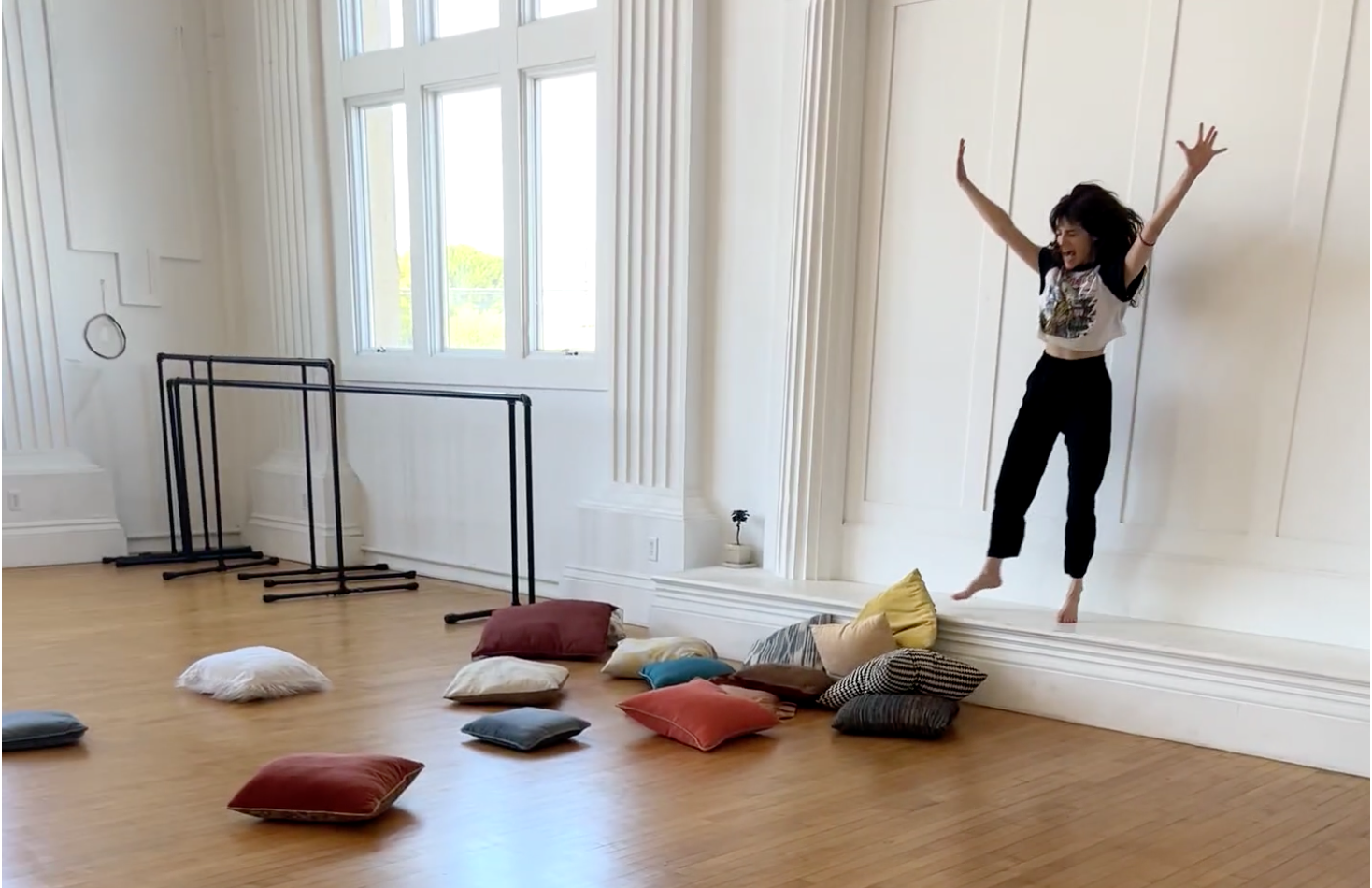
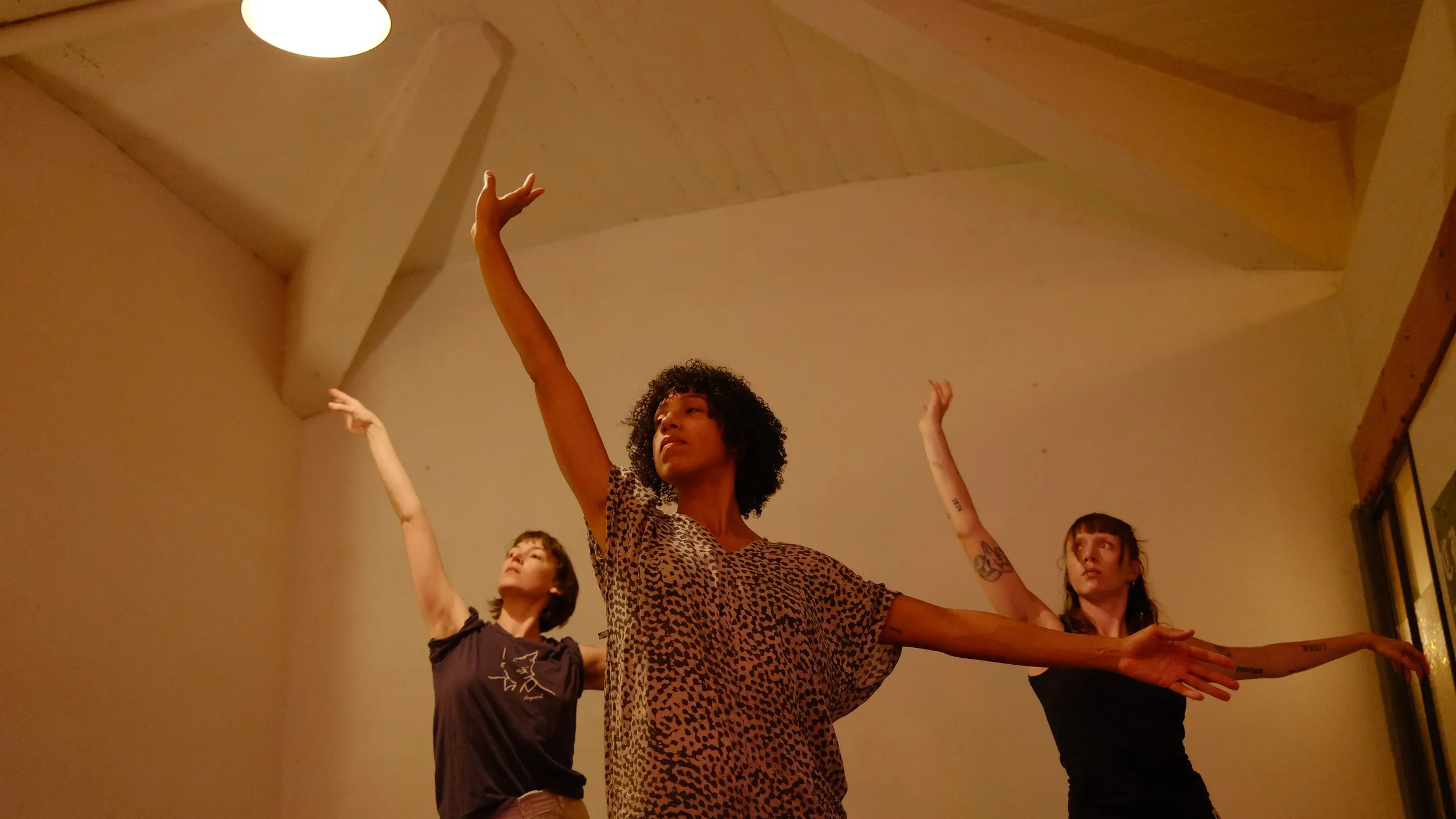
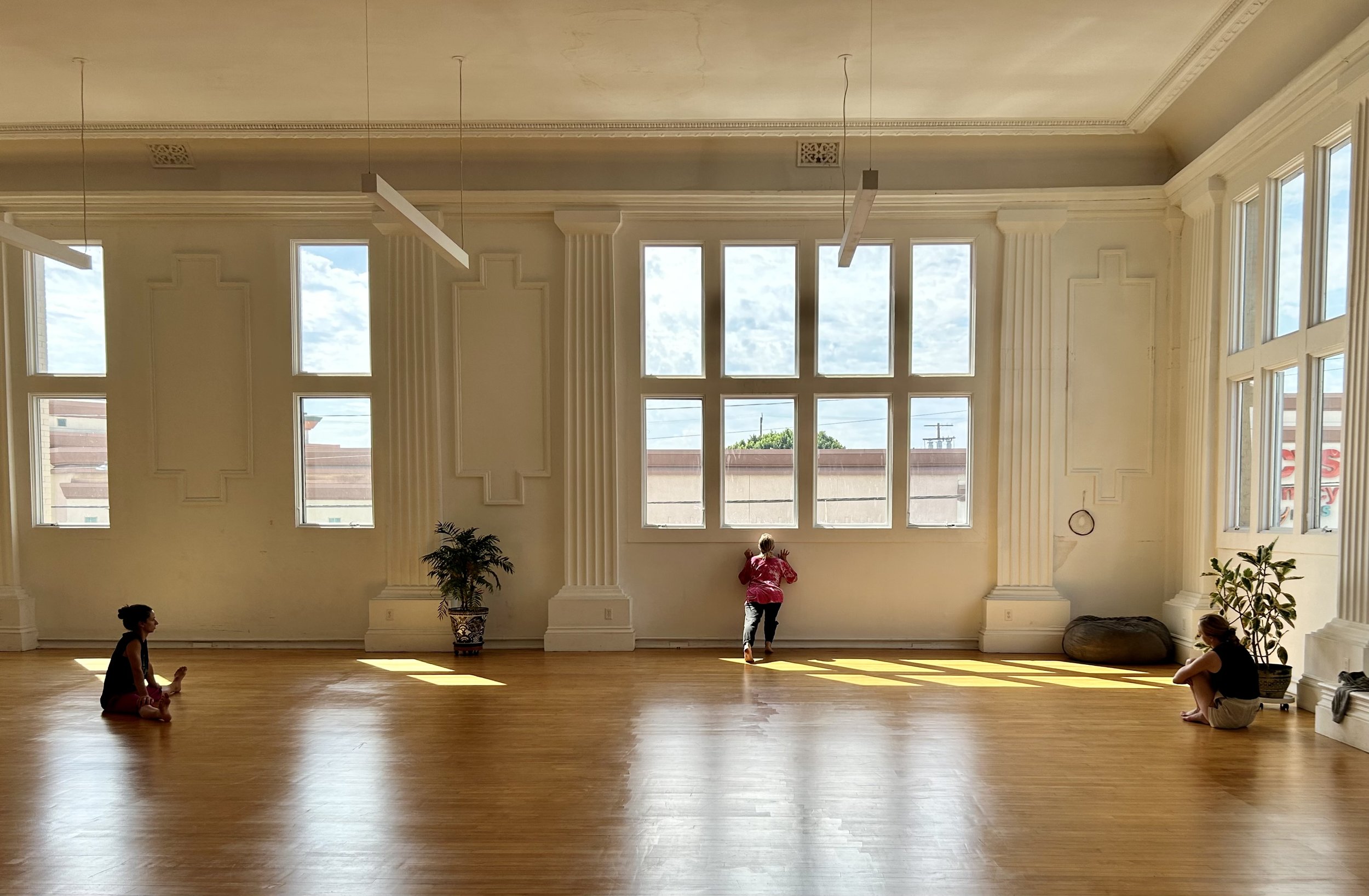
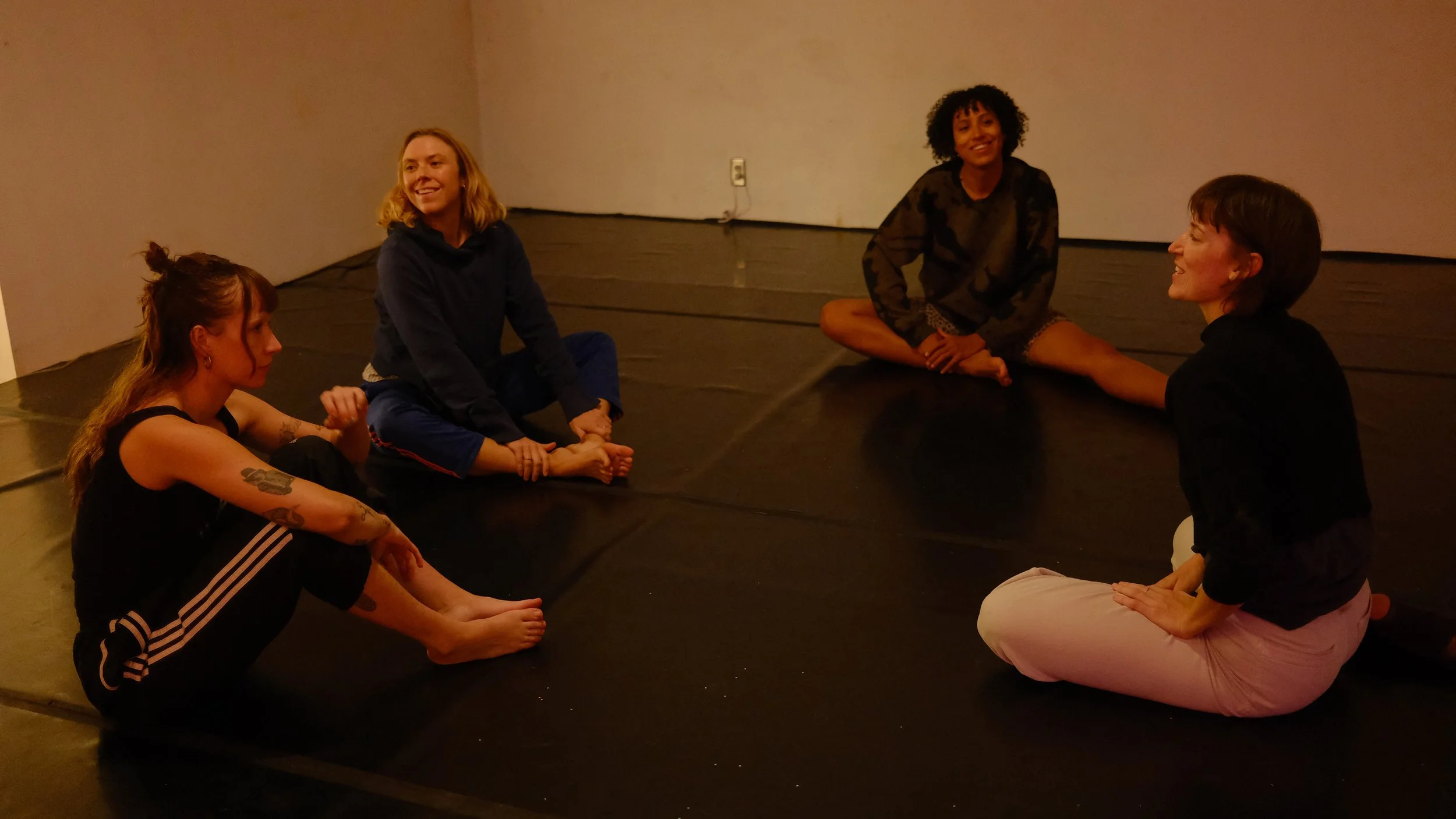
Improvisational scores practice led by Kirsten Michelle Schnittker for performers supporting the emergence of intuitive choice-making and liberated presence.
Upcoming Practice
TBD
Past Practice
October 8, 15, 22, 28, November 5, 12, 16 2024 | CRAWLSPACE, LA
June 24, September 9, October 6, November 3, December 1, 2023 | Pieter Performance Space, LA
April 8 & 15, 2023 | Basic Space, LA
Background
Clearing practice began in Brooklyn during the COVID shutdowns of 2020. I went to my roof to dance alone and try to sense and feel myself again. Like so much during that time, it was a practice of a letting go. I was in the midst of my Feldenkrais training and had just started taking ballet classes after a 10 year hiatus. I was already in a process of accepting myself, my limitations, my individuality as a dancer.
Two years later, I was living in Los Angeles and I wrote down what I thought my as of yet unspoken movement scores could be boiled down to:
1.start with what is, what’s easy or familiar. slow, minimal, focused. do less.
2. what else? open up to what is happening and let it grow.
3. repeat.
I called this first score “clearing” — evoking the feeling of moving past, or over something and the feeling of arriving in an opening, an open space surround by dense forest, or just openness.
Over the years, I’ve added new scores and structures layering in different themes, emphasizing the role of witnesses, space, performativity, and collaboration / group scores. I’ve often taught or done a Feldenkrais Awareness Through Movement lesson before a Clearing score, as a preparatory experience of deep listening and feeling. Clearing practice today is about being with what is, as a person and as a performer. Being honest, real, and accepting of what has shaped you, what you like, how you move. Meeting yourself in ease. And then, your task is to figure out what else you can make possible. The practice requires the performer to create and imagine from themself (to start), so one must become conscious of the materials and process of improvising. We are often conditioned to expect a more definite external prompt and so starting your first clearing score might elicit a feeling of doubt or confusion. This is part of it, in my experience, too! The feeling of not doing it correctly, I think, is necessary to the practice. The performer of the score must experience trial and error. They must risk failure every time. To go from one place to another, like the score asks one to do, there will be resistance, learning, change. Over time, our consciousness of the learning process becomes more crisp and our ability to make intuitive choices becomes easier. In public classes, workshops, and working groups, I’ve seen these scores support the emergence of a new clarity to a performer’s artistic voice, direction, and a new range of performative personas. Working in groups and witnessing each other also lends itself to community, acceptance, caring, and over all emotional well-being.